Volume 20 [community edition]
Google's Creative Fellowship, YC Startup School is back; AI influencers and the $30B attention economy; 30+ Roles at a16z, Vert, Corgi, Mistral + more


Vol 20 TLDR:
Stripe’s annual letter, Google Creative Fellowship, YC Startup School, Claude Community Ambassadors + more accepting apps
AI influencers are generating $10M+ a year and social media feeds are getting less human by the day
Platforms are building a “trust stack” to verify what’s real
Roles at Vert, Corgi, a16z, Mistral AI, Browserbase, and more
📅 Coming Up…
Poker + board games (founders + engineers)
Poker Night - Thursday 3/19
Invite-only. For elite poker players (founders + investors). Nominations here.
⚖️ Resources
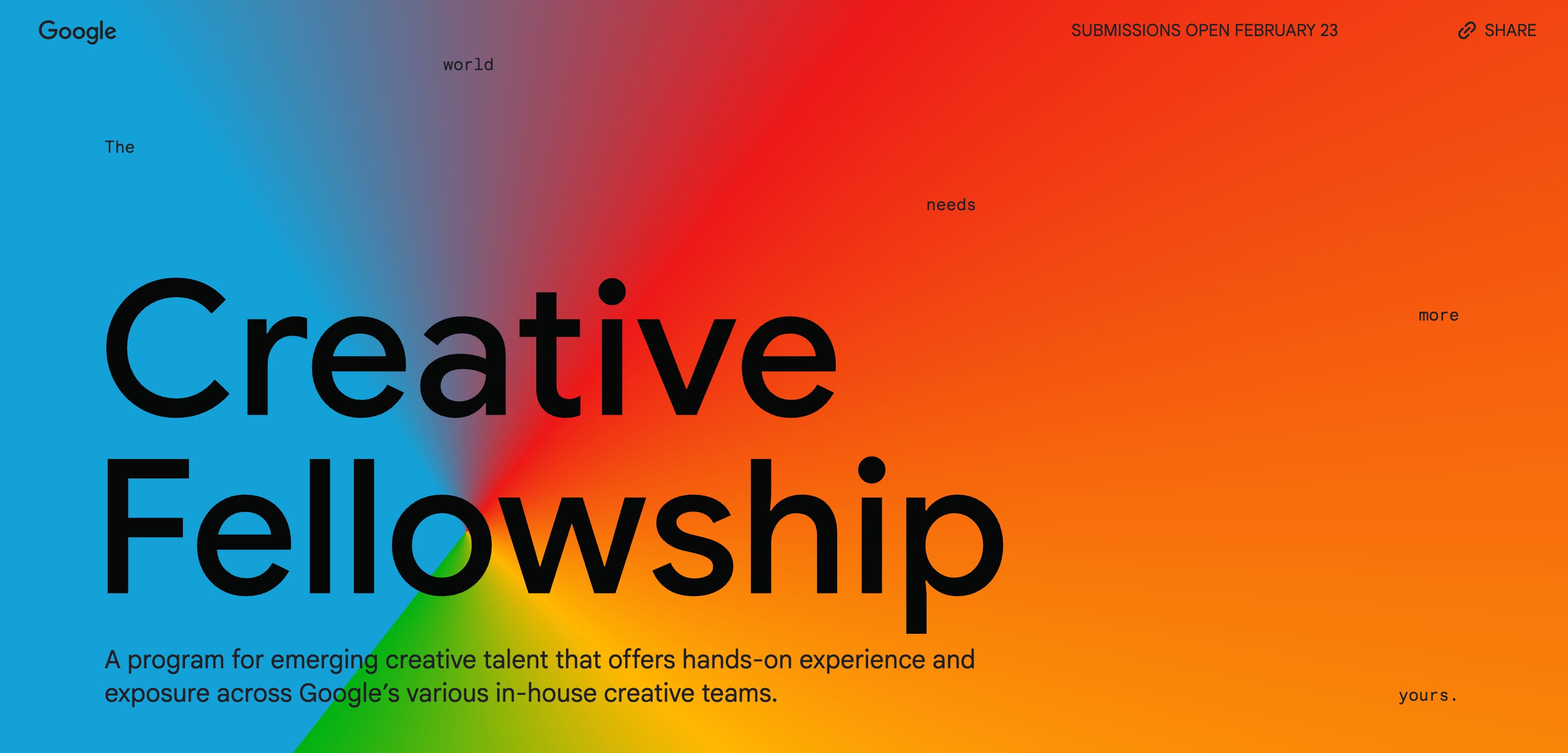
2026 Google Creative Fellowship - Paid 6-mo program for emerging creatives (0–5 yrs). NYC, SF, or LA. Apply by 3/23.
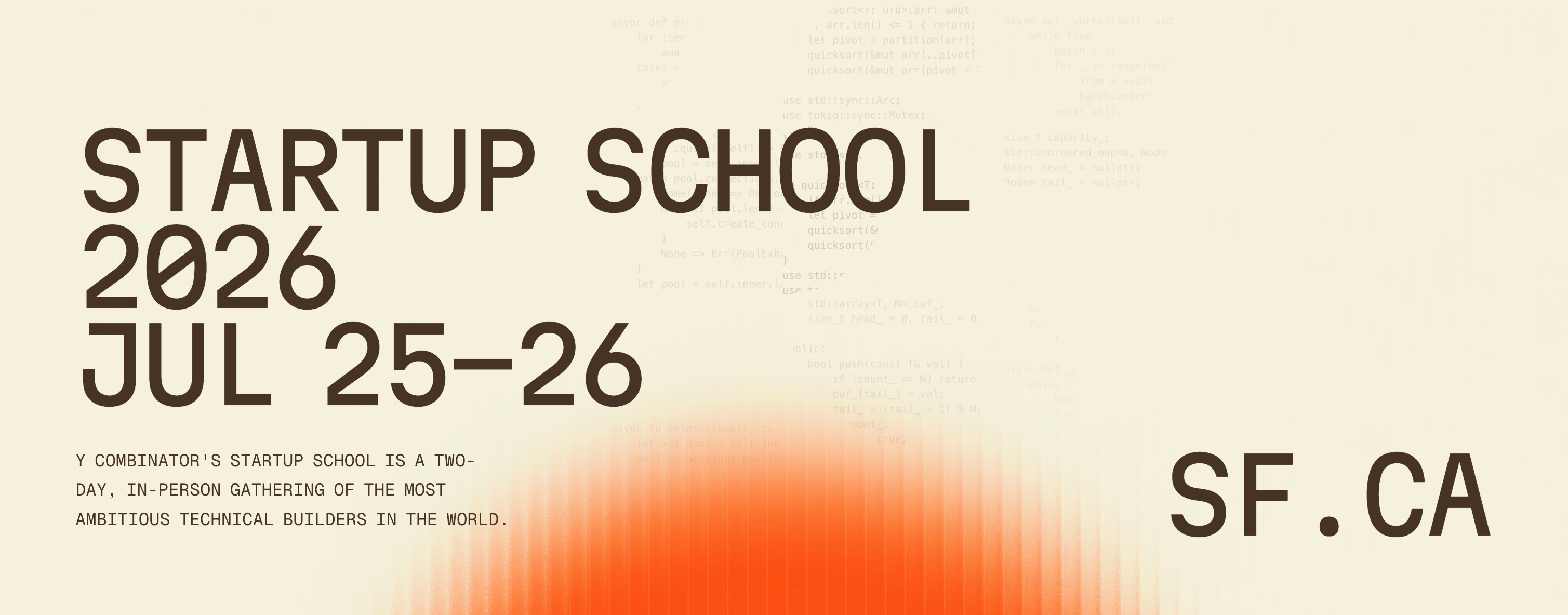
YC Startup School is back in SF from July 25-26
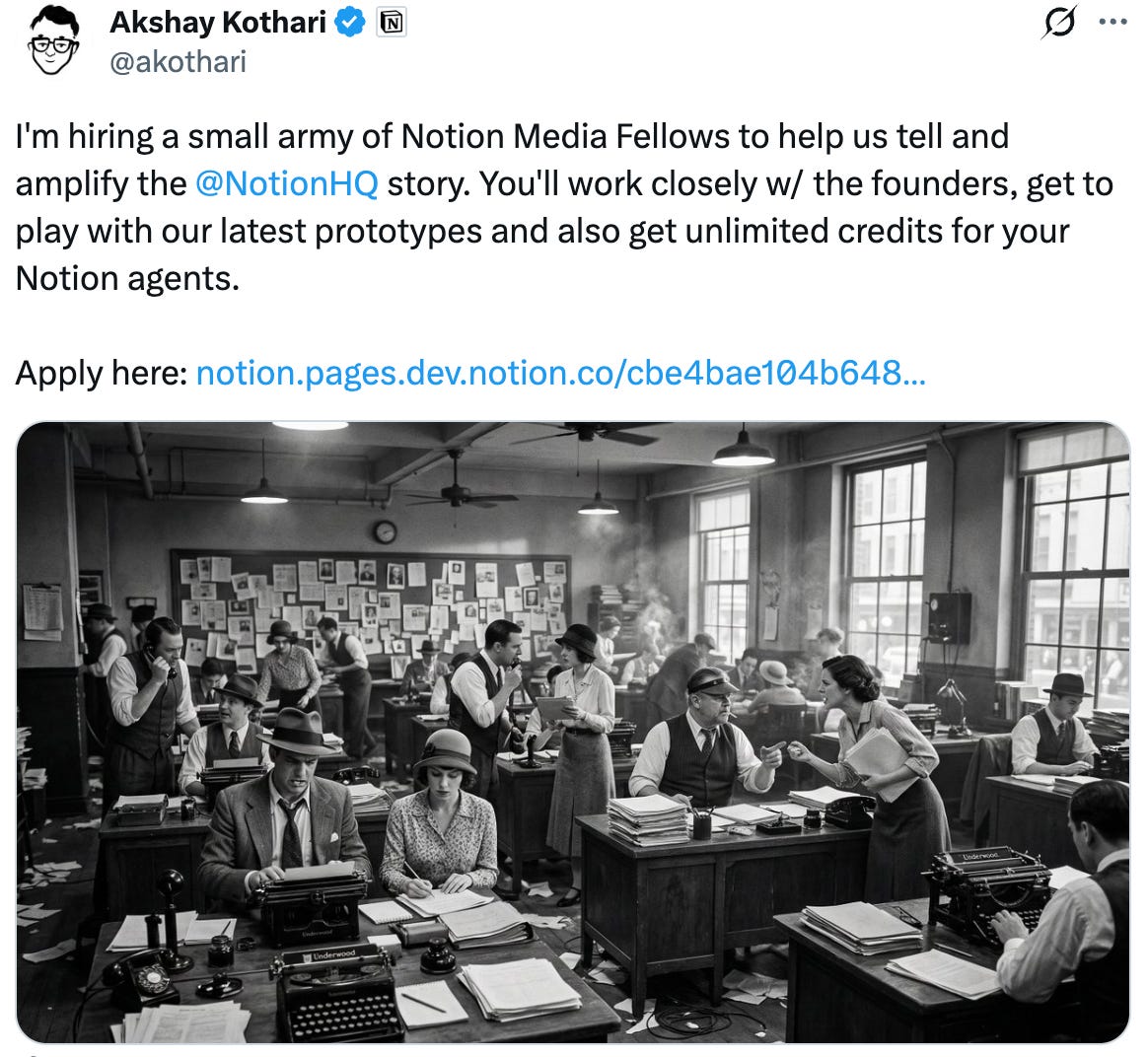
Notion just released a Media Fellowship - apply here.
For the full resource list, subscribe here.
✍🏻 Culture Report: The AI Influencer Takeover
Written by Annie Dong.
She holds the Erewhon Hailey Bieber strawberry smoothie in one hand and a lululemon keychain in the other. A Splits59 workout set clings perfectly to her tanned body. She’s recording a day in her life: 7am pilates class followed by a cold plunge, lunch with her manager, tennis class, then an evening event sponsored by the latest it-girl brand.
We all know her. She lives on our Instagram feed and TikTok FYP, in Reels received and forwarded, in Ads that urge us to “shop now!”
She is an influencer. Her career entails capturing attention, converting it into distribution, and selling that distribution to brands seeking visibility. This business model has built a $30B+ influencer marketing market, with diverse creators spanning street interviewers and homecooks rising to fame and tremendous wealth: in 2024, the top 50 creators earned over $720M collectively, boasting more than 2.7B followers in sum.
Today, the model is mutating: attention is still the currency, but the “influencer” is becoming less and less human by the day.

Why AI Wins the Numbers Game
2025 witnessed a transformative shift in social media marketing: brands moved away from paying mega-creators upfront, instead partnering with micro-influencers (10-50k followers) and paying them sales commissions through unique affiliate links. CreatorIQ’s survey of 1,723 brands, agencies, and creators found that the volume of user-generated content mentioning brands ballooned 32x from 2024.
This performance-driven model converted social media marketing into a numbers game. To maximize conversion, brands simply needed to test a massive volume of content as quickly as possible and double down on the formats that convert.
That created the perfect opportunity for AI influencers, which can generate thousands of videos at near-zero marginal cost per variant. Winning scripts, hooks, and shot structures can be mixed and matched with a single prompt, and AI models work on-demand, 24/7.
To read the full article, subscribe here.
⚙️ Under the Hood: Can Platforms Actually Verify What’s Real?
Written by Priyal Taneja.

In 2024, photographer Miles Astray submitted a real photograph of a flamingo to the 1839 Color Photography Awards. The image won third place and the People’s Vote Award, judged by representatives from the New York Times, Getty Images, and Christie’s. Then Astray was disqualified. He had entered the AI-generated image category. A panel of expert judges, looking at a real photograph, could not tell.
The verification problem runs in both directions: real content gets flagged as synthetic, and synthetic content passes as real. As AI-generated media becomes indistinguishable from the human-made kind, platforms are racing to build a “trust stack” of labels, watermarks, and disclosure systems. How does that stack actually work, and where does it break?
Three Layers of Detection
The first layer is self-disclosure. YouTube, Meta, and TikTok all require creators to manually label AI-generated content. YouTube asks creators to toggle a disclosure flag during upload; Meta requires similar manual tagging. The problem is obvious: compliance is voluntary, and there is no incentive to self-report.
The second layer is metadata-based provenance. The C2PA (Coalition for Content Provenance and Authenticity) is an open standard backed by over 200 organizations, including Adobe, Microsoft, Google, and OpenAI. It attaches cryptographically signed metadata, called Content Credentials, to a file at the point of creation. These credentials record what tool generated the content, when it was made, and what edits were applied. Any tampering breaks the signature. TikTok became the first major video platform to integrate C2PA in January 2025, and the standard is now being adopted by camera manufacturers (Leica, Sony, Nikon), editing software (Photoshop, Lightroom), and AI generators (DALL-E, Imagen).
C2PA has a structural weakness, though: credentials are stored as file metadata, which means they can be stripped. A screenshot, a re-upload, or a simple metadata-scrubbing tool removes the provenance chain entirely. The standard proves authenticity when present, but its absence proves nothing.
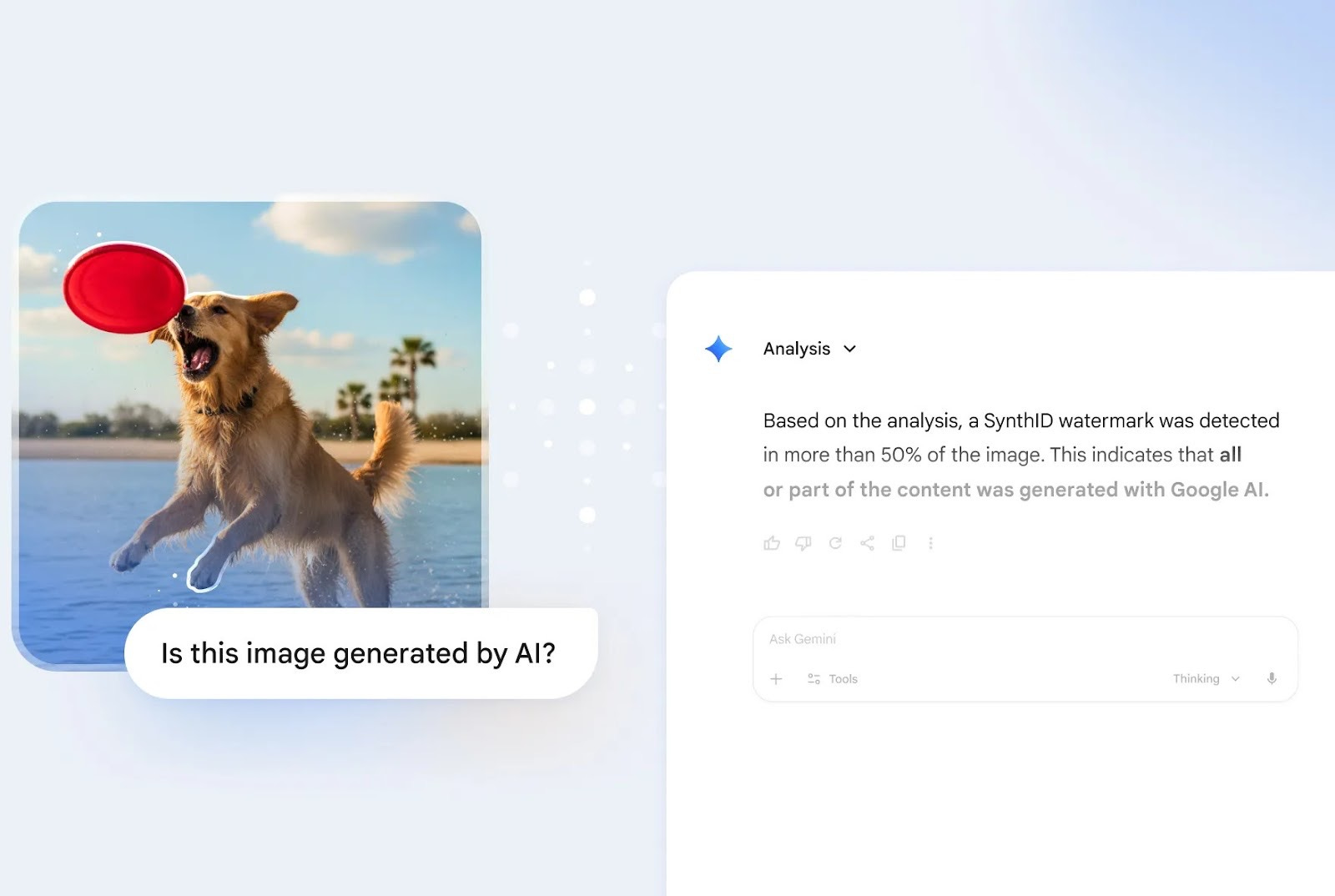
The third layer is invisible watermarking, designed to survive exactly the transformations that strip metadata. Google’s SynthID is the most widely deployed example, having watermarked over 10 billion pieces of content. Unlike C2PA, SynthID embeds its signal directly into pixel values during generation. The watermark is imperceptible to humans and persists through cropping, compression, and resizing.
The catch: each vendor’s system is proprietary. SynthID can only be detected by Google’s tools. Meta’s Video Seal and Adobe’s system each operate in their own silos. An image watermarked by one platform is invisible to another’s detector. And while pixel-level watermarks are more durable than metadata, re-rendering an image through a different AI model effectively produces a clean copy.
To read the full article, subscribe here.
🔍 Companies to watch
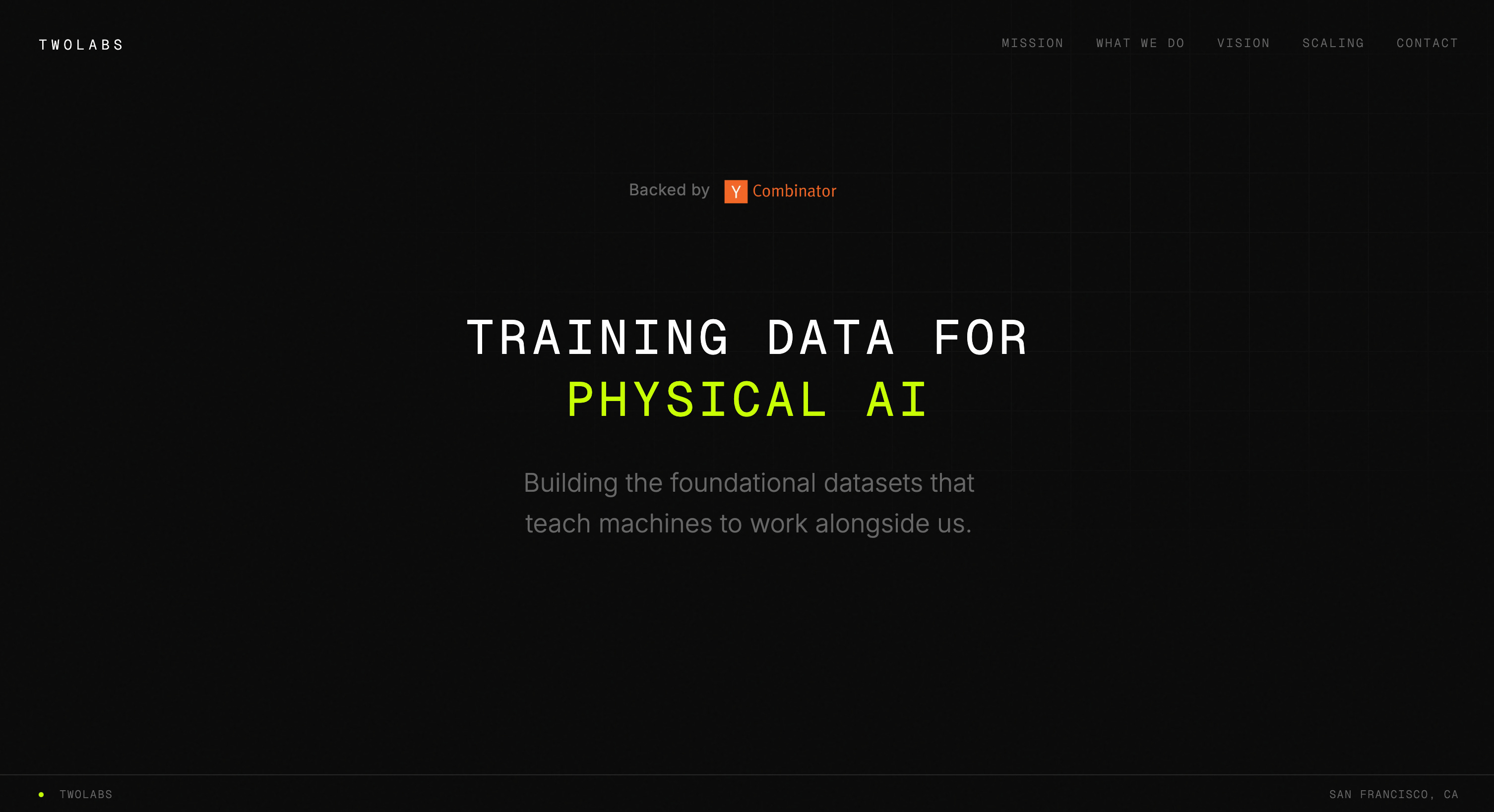
Twolabs (YC X26) – founded by Sardor Rahmatulloev is building egocentric video datasets for physical intelligence, starting with agriculture.
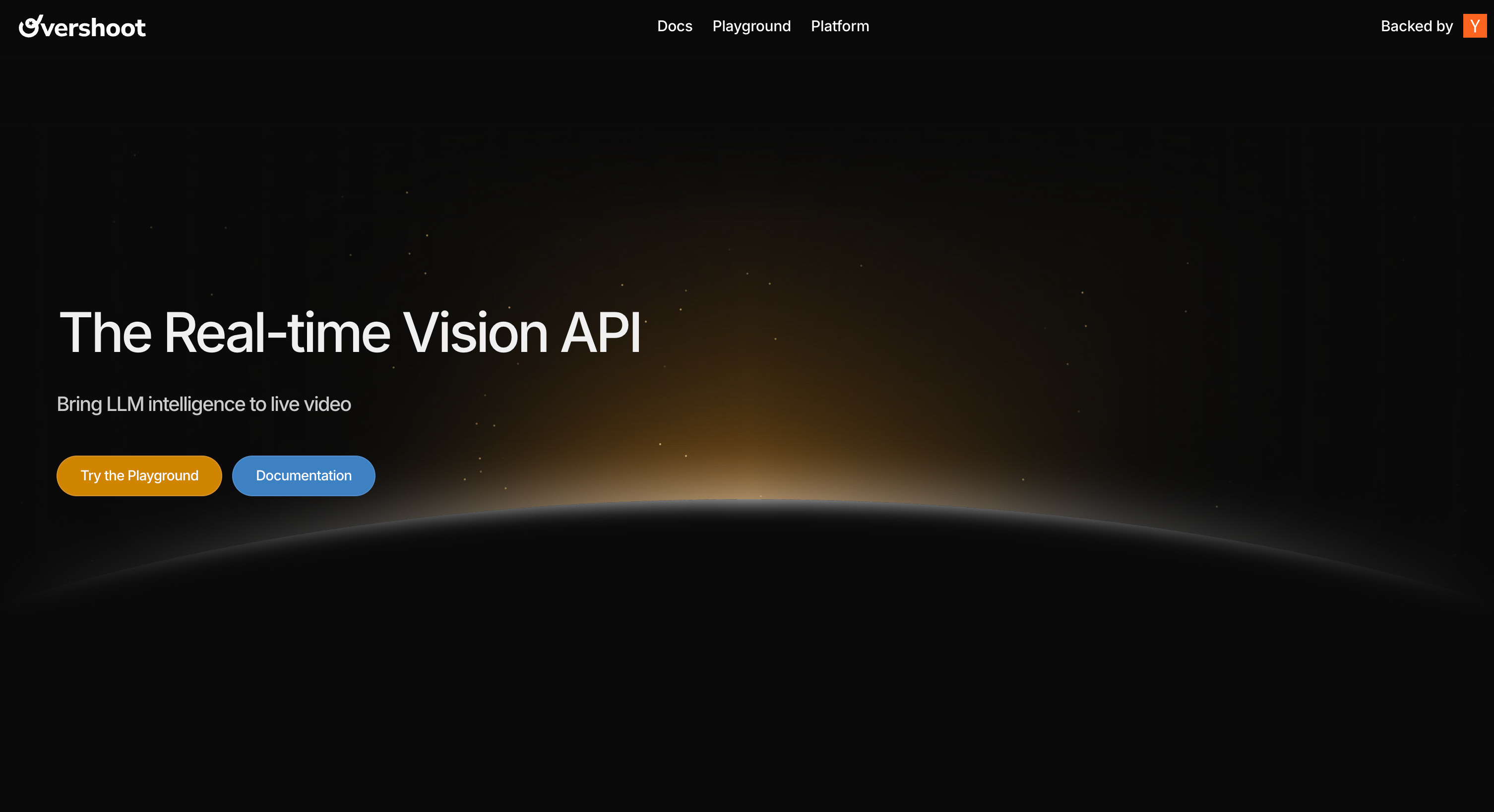
Overshoot – founded by Zakaria El Hjouji is building real-time vision infrastructure for developers.
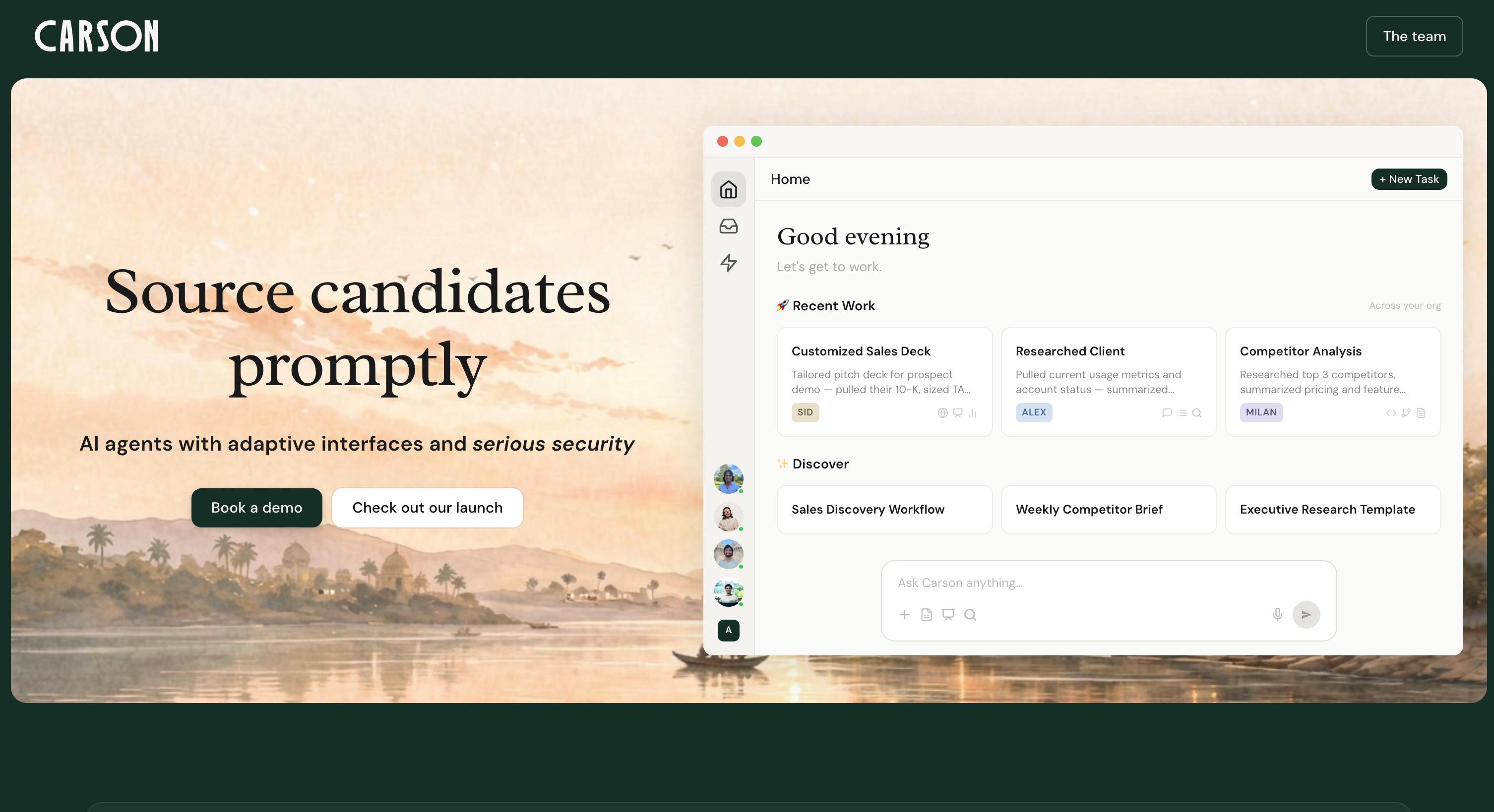
Carson AI (YC W26) - founded by Sidharth Menon is an AI agent with enterprise-grade security that generates custom, task-specific interfaces.
🦄 Jobs
Vert - app studio: Engineer (NYC)
Corgi - full stack insurance carrier: GTM, Finance (former VCs), Sales, Engineers + 5 roles (SF)
a16z - Events & community, Product Growth, Partnerships (SF)
Passionfruit - marketing talent marketplace: Launch Manager (NYC)
Cogent Security - agentic AI for vulnerability management: Biz Opz & Strategy, Product, Engineering + 10 roles
Browserbase - web browser for AI agents & applications: Infra Engineers, Account Execs, Sales Engineers + 10 roles (SF)
For the full job list, subscribe here.
📷 Photos of the Week
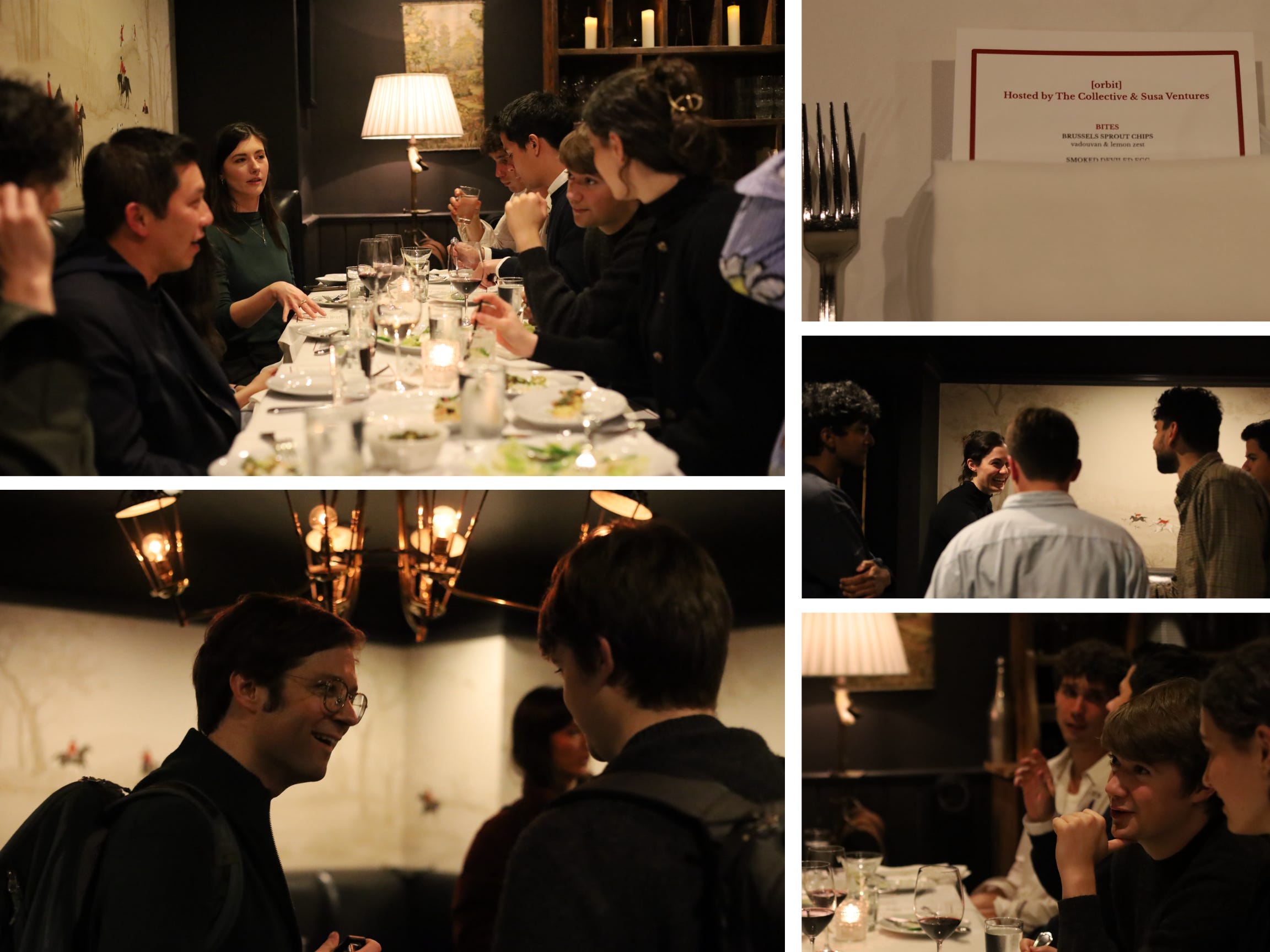
ft. Orbit dinner #2 (SF) last week
See you next week,
Maggie + Jonas